How to Choose a Water Softener Near You
- davidk8824
- Jun 10
- 4 min read

Water softeners are essential for many households, especially in areas with hard water. Hard water can lead to various issues, such as scale buildup in pipes, reduced efficiency of appliances, and dry skin and hair. Choosing the right water softener can significantly improve your water quality and overall comfort at home. In this guide, we will explore how to select a water softener that meets your needs, ensuring you make an informed decision.
Understanding Water Hardness
Before diving into the selection process, it's crucial to understand what water hardness is. Water hardness is primarily caused by the presence of minerals like calcium and magnesium. The higher the concentration of these minerals, the harder the water.
Measuring Water Hardness
Water hardness is typically measured in grains per gallon (gpg) or parts per million (ppm). Here’s a quick reference:
Soft water: 0-3 gpg
Moderately hard water: 4-7 gpg
Hard water: 8-12 gpg
Very hard water: 12+ gpg
You can test your water hardness using a home testing kit or by contacting your local water utility for a report.
Types of Water Softeners
When choosing a water softener, it's essential to understand the different types available:
Salt-Based Water Softeners
These are the most common type of water softeners. They use sodium ions to replace calcium and magnesium ions in the water. While effective, they do require regular maintenance, including adding salt to the system.
Salt-Free Water Softeners
Salt-free systems do not remove hardness minerals but rather condition the water to prevent scale buildup. They are often more environmentally friendly and require less maintenance, but they may not be as effective in extremely hard water areas.
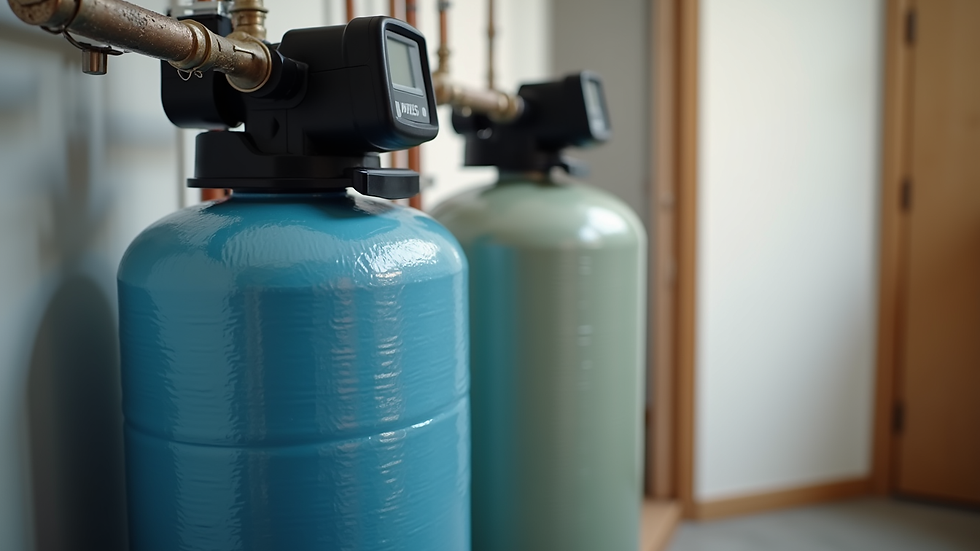
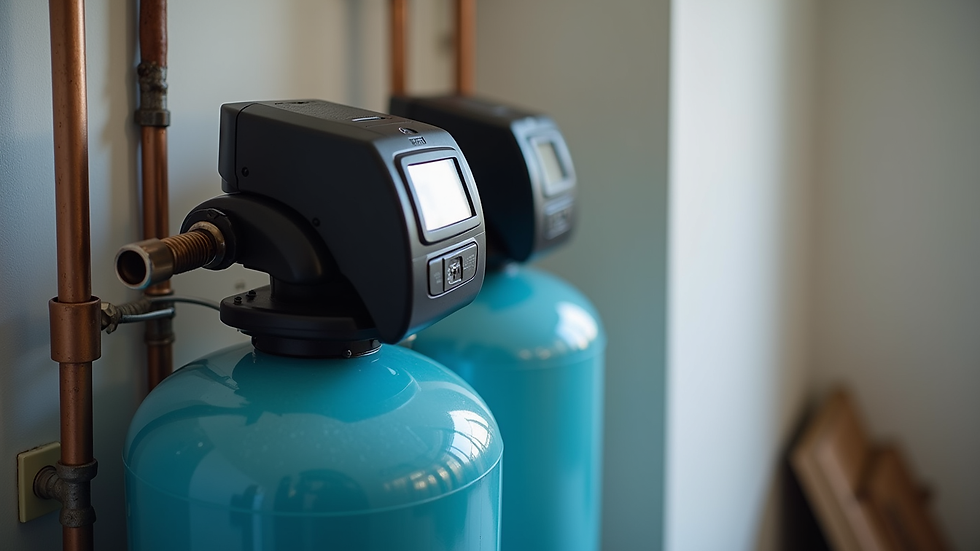
Dual-Tank Water Softeners
These systems have two tanks, allowing for continuous soft water supply. While they tend to be more expensive, they are ideal for larger households or those with high water usage.
Factors to Consider When Choosing a Water Softener
1. Water Hardness Level
The first step in selecting a water softener is to determine your water hardness level. This will help you choose a system that can effectively handle your specific needs.
2. Household Size and Water Usage
Consider the number of people in your household and your daily water usage. Larger households may require a more robust system to ensure an adequate supply of softened water.
3. System Size and Capacity
Water softeners come in various sizes and capacities. Ensure you choose a system that fits your space and meets your household's water demands.
4. Maintenance Requirements
Different systems have varying maintenance needs. Salt-based systems require regular salt refills, while salt-free systems may need occasional filter changes. Consider how much time and effort you are willing to invest in maintenance.
5. Budget
Water softeners can range in price from a few hundred to several thousand dollars. Determine your budget and look for systems that offer the best value for your needs.
Installation Considerations
Professional vs. DIY Installation
While some homeowners may choose to install their water softeners themselves, hiring a professional can ensure proper installation and optimal performance. Consider your plumbing skills and the complexity of the system when deciding.
Location of Installation
The location of your water softener is also important. It should be installed near the main water supply line and in a location that allows for easy access for maintenance.
Researching Local Options
Once you have a clear understanding of your needs, it's time to research local water softener options. Here are some steps to guide you:
1. Online Reviews and Ratings
Check online reviews and ratings for different brands and models. Websites like Consumer Reports and HomeAdvisor can provide valuable insights into the performance and reliability of various systems.
2. Local Suppliers and Installers
Look for local suppliers and installers who specialize in water softeners. They can provide personalized recommendations based on your specific needs and local water conditions.
3. Request Quotes
Contact multiple suppliers to request quotes. This will help you compare prices and find the best deal for your chosen system.
Evaluating Warranty and Support
When investing in a water softener, it's essential to consider the warranty and customer support offered by the manufacturer. A good warranty can provide peace of mind and protect your investment. Look for:
Length of warranty: A longer warranty often indicates a more reliable product.
Coverage: Ensure the warranty covers parts and labor for repairs.
Customer support: Check if the manufacturer offers responsive customer support for troubleshooting and maintenance questions.
Installation and Maintenance Tips
Installation Steps
If you decide to install the water softener yourself, follow these general steps:
Turn off the water supply: Before starting, ensure the main water supply is turned off.
Connect the system: Follow the manufacturer's instructions to connect the water softener to the main water line.
Set up the brine tank: If using a salt-based system, fill the brine tank with the appropriate type of salt.
Test the system: Once installed, turn the water supply back on and test the system to ensure it’s functioning correctly.
Regular Maintenance
To keep your water softener running efficiently, follow these maintenance tips:
Check salt levels: For salt-based systems, regularly check and refill the salt as needed.
Clean the brine tank: Periodically clean the brine tank to prevent buildup.
Inspect for leaks: Regularly check for leaks in the system and address any issues promptly.
Conclusion
Choosing the right water softener can significantly enhance your home's water quality and overall comfort. By understanding your water hardness, evaluating your household's needs, and researching local options, you can make an informed decision. Remember to consider installation and maintenance requirements to ensure your system operates efficiently for years to come.
Take the time to explore your options, and don’t hesitate to reach out to local experts for guidance. A well-chosen water softener can make a world of difference in your daily life.

Comments